Skip to content

Free written estimatesLocal crews

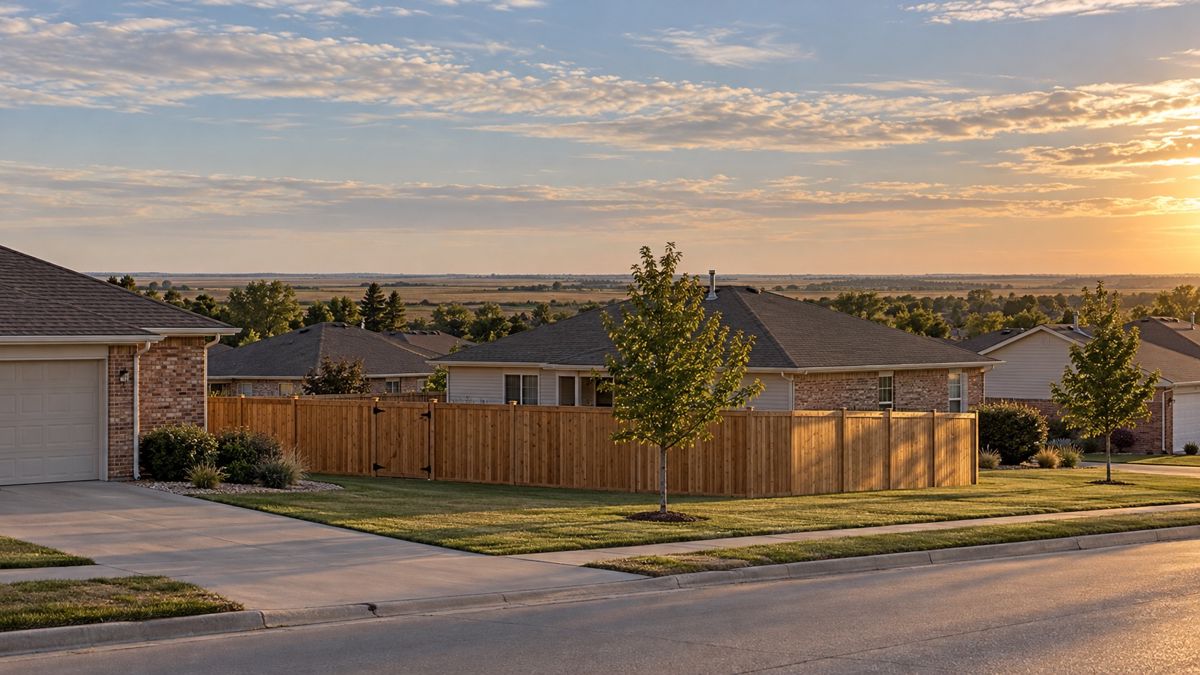
New cedar privacy fence behind a brick ranch home on a Wichita street

Small-town lots near the Little Arkansas

Fence installation in Valley Center, Kansas

Fences for small-town lots, alley access and river-bottom soil around Valley Center. Send a quote request and we will confirm availability for your address.

  • Five fence types and repair work
  • Written quote before work starts
  • Short form or a quick call to begin

Step 1 of 3

What do you need?

A small-town grid with fences to match

Valley Center lies north of Wichita near the I-135 corridor, with a traditional street grid, an older center and newer streets spreading outward. Many older blocks have alleys, detached garages and fenced back yards that have changed hands several times.

That layout shapes the work. A fence in this kind of yard often has to include an alley gate for trash pickup and garage access, a walk gate to the side, and a clean junction with a neighbor's fence on both sides. Layout is mostly about where people and vehicles need to pass.

Alleys, garages and gates that get used daily

On a lot with an alley, the gate at the back is probably the busiest part of the fence. Trash carts roll through it, cars pull in beside it, and snow gets shoveled against it. A thin gate on light posts will sag within a couple of seasons, so this is where extra strength pays off.

Think about swing direction, too. A gate that opens into the yard stays out of the alley, while one that swings out may block a neighbor. Where space is tight, a sliding gate or a double gate with a center latch can work better. Details like these decide whether a gate stays pleasant to use.
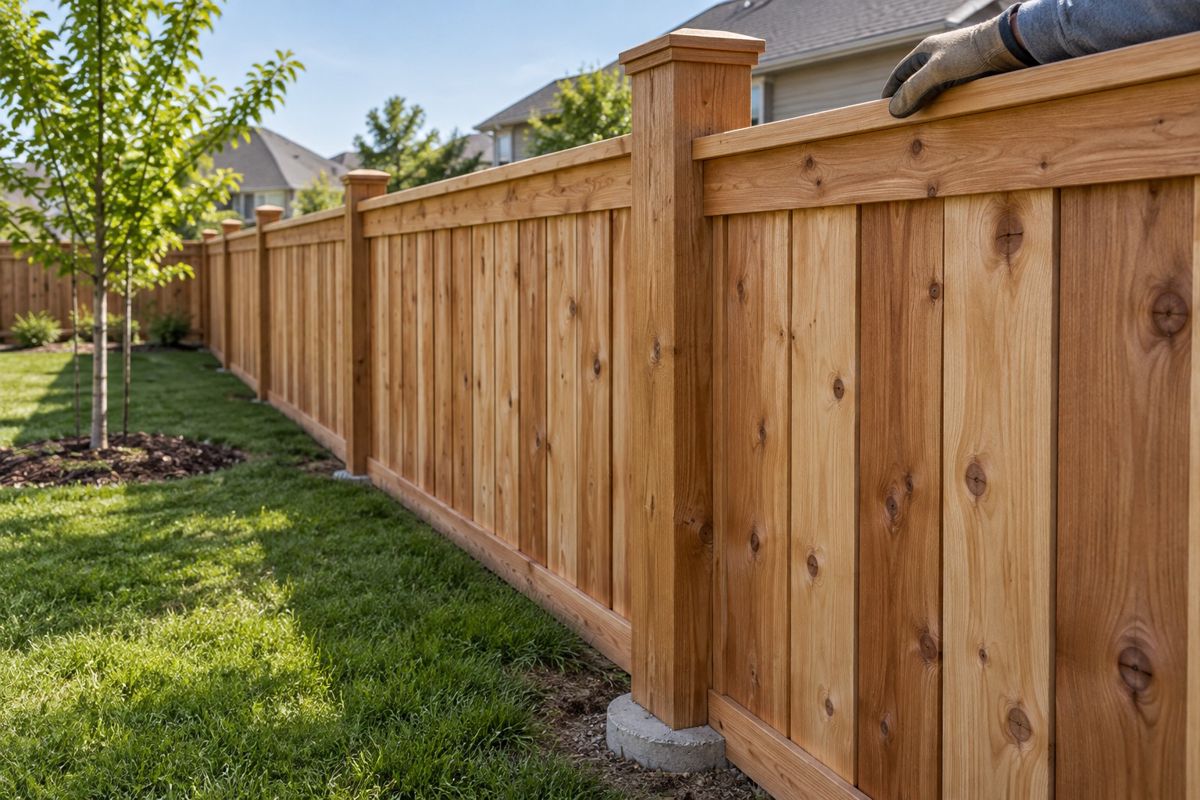
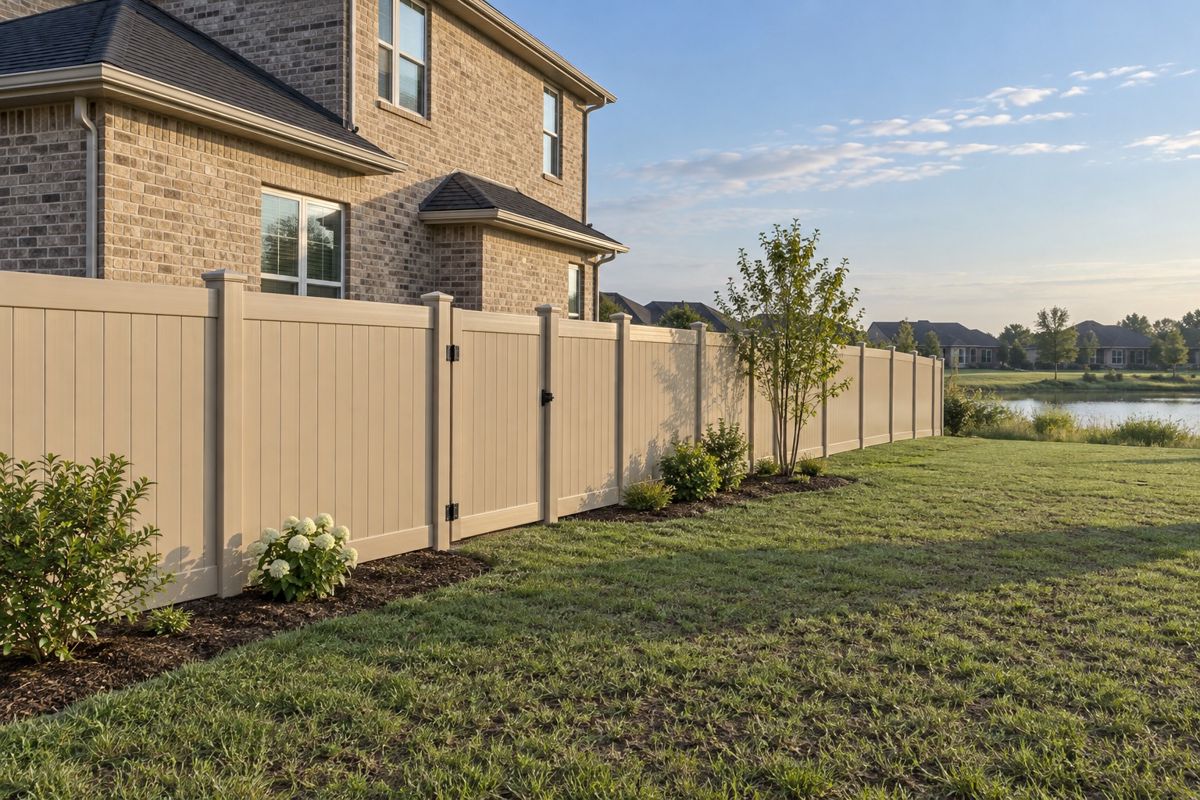
Fence types we can build for Valley Center homes

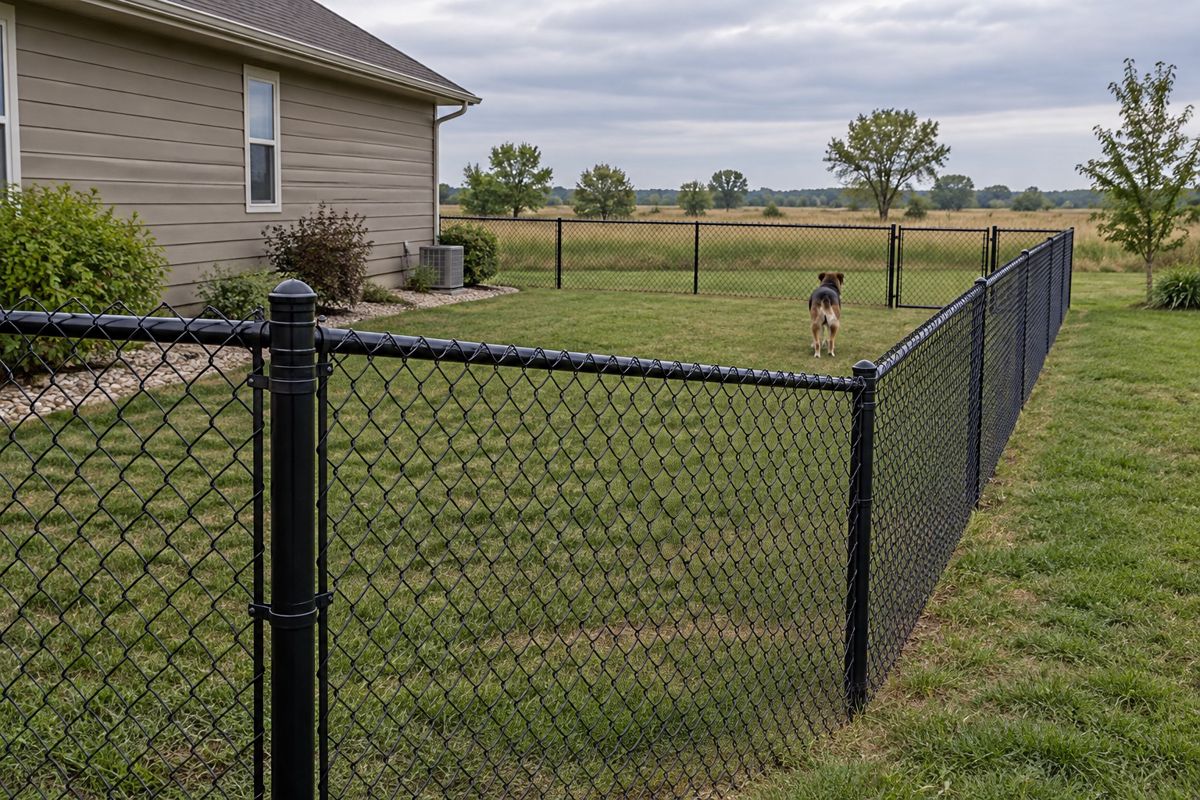
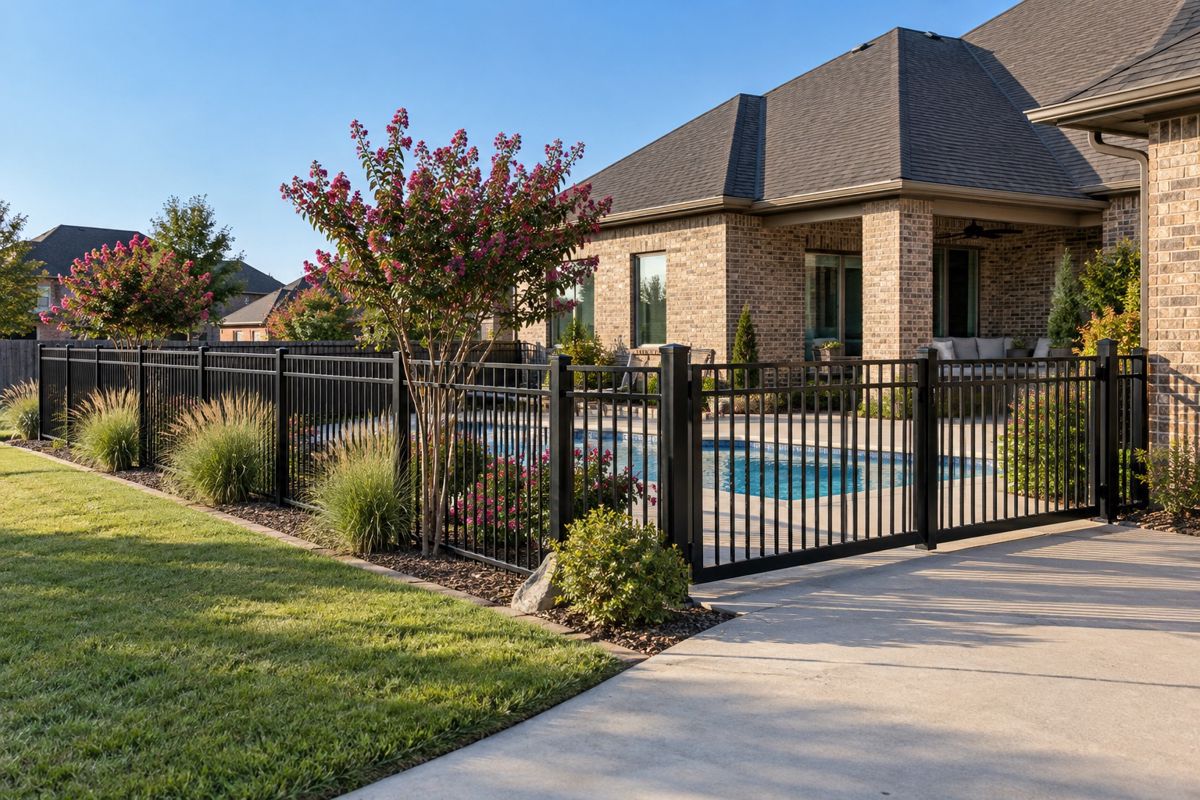
Valley Center gets the full list of services on this site, and each page below explains the material in more detail.

Corner lots often combine two of these styles.

The Little Arkansas River runs near town, and ground close to it tends to be soft, damp and prone to shifting. Clay swells and shrinks with moisture, and low spots can hold water after spring storms. Posts in that kind of soil need solid footings, and lower boards benefit from a little clearance above the ground.

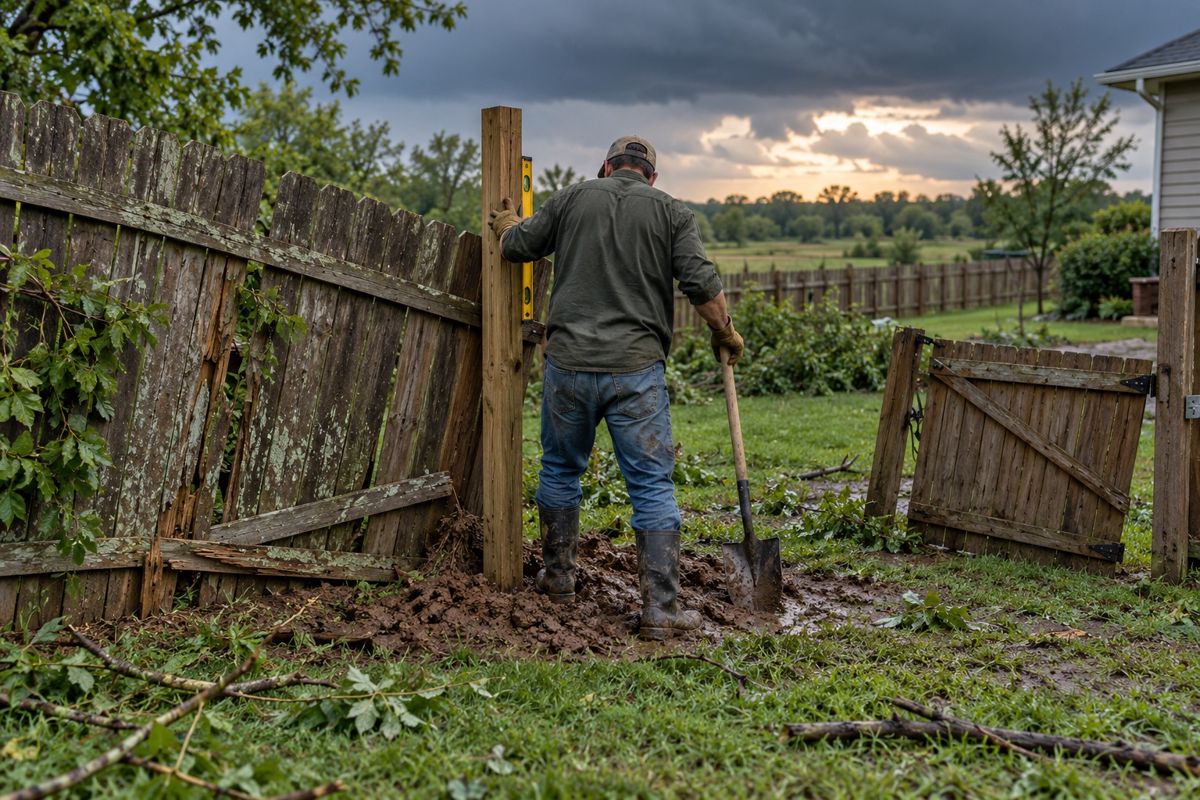
Tall trees such as cottonwoods are common along river country. They shed branches in wind, and a limb dropped on a rail can pull a whole section off line. Spring hail and straight-line wind add to the strain, so fences here often need repair after bad weather. Photograph storm damage before cleanup if a claim may be involved.

What affects the plan and the budget in Valley Center

On a small-town lot, the cost usually turns on details rather than on size.

  • Existing fence. Removal and disposal take time, especially when posts are set in old concrete.
  • Gate count. A fence with an alley gate and a side gate costs more than a plain run.
  • Shared lines. Tying into a neighbor's fence needs care at the joint.
  • Ground. Soft or wet soil can mean deeper holes and more concrete.

We spell these items out in the quote and leave the guesswork out.

Photos of any existing fence and the alley side give us enough to talk through options before the visit.

Requesting a quote from Valley Center

Use the short form or call (316) 555-0177. We serve Valley Center but are not based there, so your request is how we confirm availability.

  1. Tell us the address and whether the lot has an alley.
  2. Describe the old fence, if any, and what you want in its place.
  3. Mention gate locations and how you use them.
  4. We visit and measure the run.
  5. A written quote follows, with each gate and any tear-out listed separately.

City rules and an 811 call for buried lines come before digging, and we point them out as we plan the job.

Get a quote in Valley Center

Tell us what you need and we call you back.

No obligation.

Step 1 of 3

What do you need?

Questions about Valley Center

Can a fence go right up to the alley?

Usually there are setback or sight-line rules, and alleys may have easements for utilities and trash trucks. Check with the city about how close you can build. Leaving enough room for vehicles to turn matters too, so a gate that swings inward is common. Leaving room for trash carts to roll through freely is a common design point.

Do I need a survey for an older town lot?

It is a good idea if the corners are unclear or a neighbor disagrees. Older lots sometimes have fences that do not match the recorded line. A survey costs money, but it is cheaper than moving a fence later. We can build to your marked line and note where we started. A recent survey can also help if you plan to sell the property later.

How does damp ground affect a wood fence?

Posts set in wet soil rot faster, especially where water collects. Rot-resistant posts, good drainage around the base and boards kept slightly off the ground help. Sealing the wood is worthwhile too. We talk about how your yard drains before choosing a design. Raising the bottom board slightly above the soil is a simple habit that helps.

Can you fix storm damage on one section?

In many cases yes. A single hit section can often be replaced or reset without touching the rest, provided the neighboring posts are sound. Take photos of the damage first, and keep any broken pieces if an adjuster wants to see them. Keep any broken pieces until an adjuster has seen them, if a claim may follow.

Is vinyl a good choice near the river?

It can be, since it does not rot or need painting, which helps in damp ground. Posts still need good footings, and panels should be braced against wind. Vinyl costs more up front than wood or chain link, so weigh that against less upkeep over the years. Color fades slowly, but vinyl does not need paint, which suits damp conditions well.